












In our latest blog, Laura Rognoni explores how the launch of Play Snooker reflects a wider shift in sports economics — from monetising peak broadcast audiences to building continuous participation-driven engagement and revenue models around grassroots communities.
Every summer, sports take centre stage. Major tournaments flood broadcast schedules, social feeds and streaming platforms. Audiences spike and rights holders compete for visibility in a crowded entertainment market. And with major tournaments like Wimbledon and the 2026 World Cup now behind us, this summer has been another reminder of sport’s unmatched ability to create global moments.
But beneath the excitement, something more structural is happening across the industry. The economics of sport has traditionally revolved around a relatively simple model: monetise spectatorship at scale; sell broadcast rights; and package sponsorships around major events. Ultimately, building value around peak audiences concentrated in high value moments across the calendar.
This model still matters enormously. But perhaps it is no longer enough on its own. Tennis is a great example. The four Grand Slams alone attract close to two billion global viewers annually, concentrating audience attention into a handful of tentpole tournaments. But sustaining engagement beyond those peaks remains a challenge. Indeed, the Financial Times recently reported how tennis organisations are increasingly investing in TikTok and creator-led content in the attempt to grow engagement by attracting younger audiences through different channels.
Rights holders are certainly searching for new forms of recurring engagement and recurring revenue — particularly outside the world’s most commercially dominant sports properties. And increasingly, the answer may not lie in finding more viewers. Instead, it may lie in creating stronger digital ecosystems around the people who already sustain these sports every day — the clubs, coaches, players and local communities that often exist far beyond the spotlight of professional competition.
A Valuable Sports Audience, Hiding in Plain Sight
The launch of Play Snooker has put renewed focus on one of the biggest blind spots in sports business: amateur participation. Not because participation lacks scale, quite the opposite. Recreational ecosystems in many sports are enormous. But they have historically existed outside structured digital infrastructure. Local leagues, clubs, tournaments and communities often operate independently through spreadsheets, messaging apps, paper scorecards and fragmented systems, creating very little visibility for governing bodies or commercial partners.
In many cases, this fragmentation limits growth at the amateur level. Clubs struggle with discoverability, organisers rely on manual administration, and local communities often operate without the digital infrastructure needed to scale participation sustainably.
Snooker is a perfect example. Globally, more than 100 million people play recreational snooker and billiards. Yet until recently, most existed almost entirely outside the sport’s digital ecosystem. They are highly engaged participants, but commercially invisible. This is where the conversation becomes interesting, because participation is becoming a commercial layer in its own right.
In April 2026, NAGRAVISION launched Play Snooker with the World Professional Billiards and Snooker Association (WPBSA), the sport’s first fully integrated player and community platform. Crucially, the platform was designed not only to connect players with the professional game, but to strengthen the wider grassroots ecosystem surrounding the sport itself, from clubs and coaches to local tournaments and community organisers.
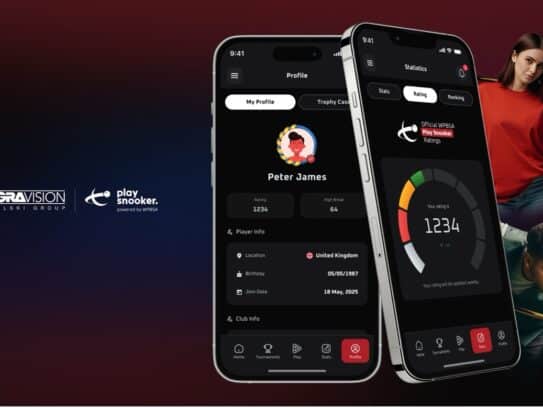
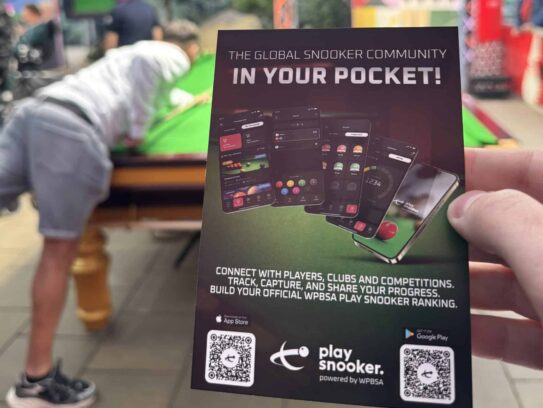
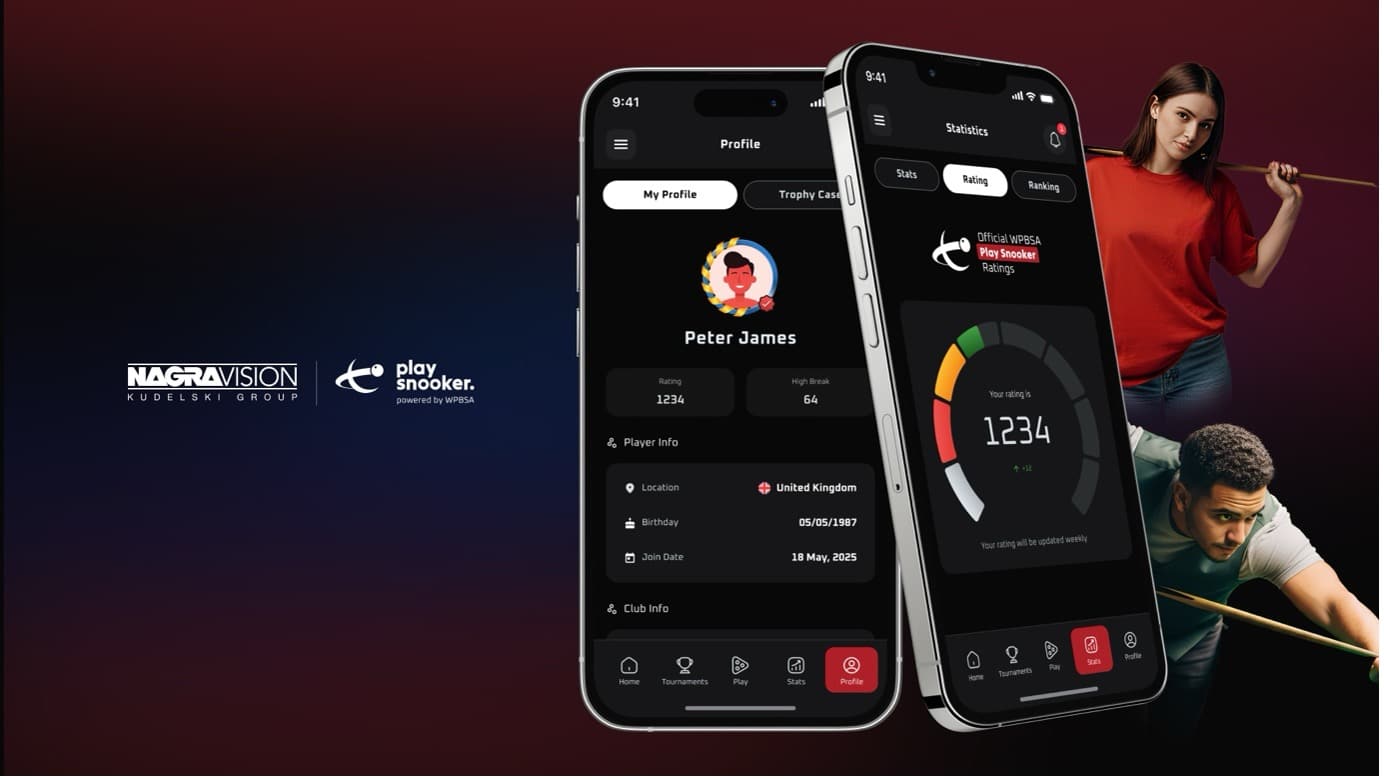
On the surface, the platform includes familiar features: verified player identities, global rankings, tournaments, shot-by-shot match capture and community functionality. But strategically, what matters is something bigger. Play Snooker is now actively turning fragmented amateur participation into an addressable digital economy. Within its first month, we’ve witnessed the platform generate thousands of verified player profiles, host hundreds of tournaments and record thousands of match and practice sessions globally. An unprecedented number of previously unlisted clubs have also been identified and connected into the ecosystem.
These numbers matter because they demonstrate something the industry is only beginning to realize: participation itself can generate recurring engagement loops. Not annual spikes. Not event-based peaks. But real, continuous interaction.
A New Commercial Layer for Sports
We are already seeing elements of this shift across the market. Formula 1 has dramatically expanded younger audience engagement through always-on digital storytelling and creator-led content. Golf continues investing heavily in participation pathways and simulator-driven experiences. Football clubs increasingly position themselves as year-round lifestyle brands rather than purely matchday products.
The underlying strategic direction is similar across all of them: reduce reliance on isolated tentpole moments and create more continuous audience relationships. This is the commercial logic underpinning platforms like Play Snooker. A recreational snooker player interacts with the sport differently from a passive viewer. We’ve studied this pattern extensively at NAGRAVISION. Players compete regularly. They track progress, socialize with the communities, pay tournament fees, purchase equipment and book coaching sessions. They return weekly, sometimes daily.
That creates something increasingly valuable in modern sports business: recurring behavioural engagement. Importantly, this unlocks new commercial layers around the sport itself. Membership models, premium statistics, coaching marketplaces, equipment partnerships, targeted sponsorship inventory, local commerce opportunities and digital services that can all exist within the same ecosystem.
In other words, the value begins to exist continuously around participation itself. Play Snooker creates the potential for rights holders to develop commercial relationships directly with the players. And because these ecosystems are built around verified identities and ongoing activity, they also create something increasingly critical across the industry: first-party data. Not just who watched an event — but who plays, where and how often they play, what formats they prefer and how communities evolve over time. For many sports federations, that level of visibility simply does not exist yet.
Why This Matters Beyond Snooker
What makes Play Snooker particularly interesting is not just what it means for snooker, but what it signals for the wider sports industry. Platforms like Play Snooker have the potential to strengthen entire grassroots ecosystems around a sport. By connecting players, clubs, coaches, referees and local communities within a shared digital environment, participation becomes easier to organise, discover and sustain over time.
That creates value across every layer of the sport itself. Clubs gain greater visibility. Coaches can reach wider communities. Local competitions become easier to scale. Players feel more connected to progression pathways and the wider sport around them. And governing bodies gain a clearer understanding of how participation evolves across regions and demographics.
In many ways, this is about creating sustainability, not just engagement. The organisations that succeed over the next decade may not necessarily be the ones that simply attract the biggest audiences during major tournaments. Increasingly, they may be the ones capable of building stronger year-round ecosystems around the everyday behaviours happening between those moments.
Because sport is no longer just competing on spectacle. It is competing on retention, community, accessibility and habit — and that changes the economics entirely. For years, the industry focused on monetising audiences around major moments. The next phase of growth may belong to the organisations capable of building sustainable ecosystems around the people who live the sport every day.
Find Out More
The NAGRA Sport Player and Community Platform behind Play Snooker was designed to help sports organisations connect fragmented grassroots communities through identity, competition and year-round engagement.
To learn more about the platform or download the factsheet, visit our website — or get in touch to explore how this approach could support your sport.