








In this blog, Laura Rognoni explores the conversations, ideas and industry shifts that shaped NAGRAVISION’s recent inaugural OpenTV ENTera Customer Connect workshop in Munich, and what it tells us about the next chapter of TV experiences.
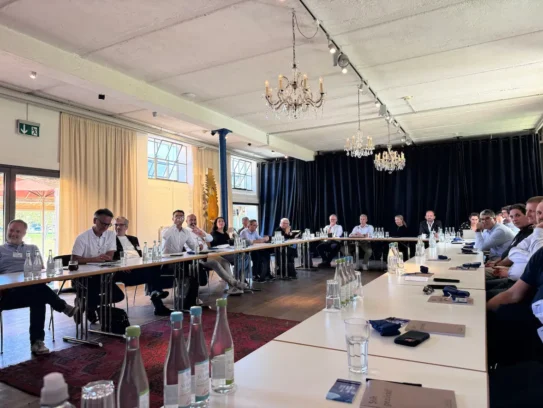
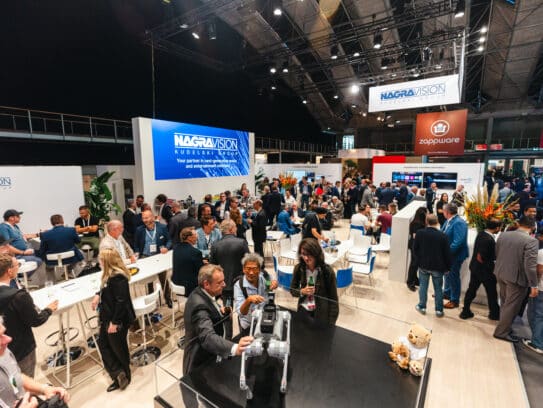
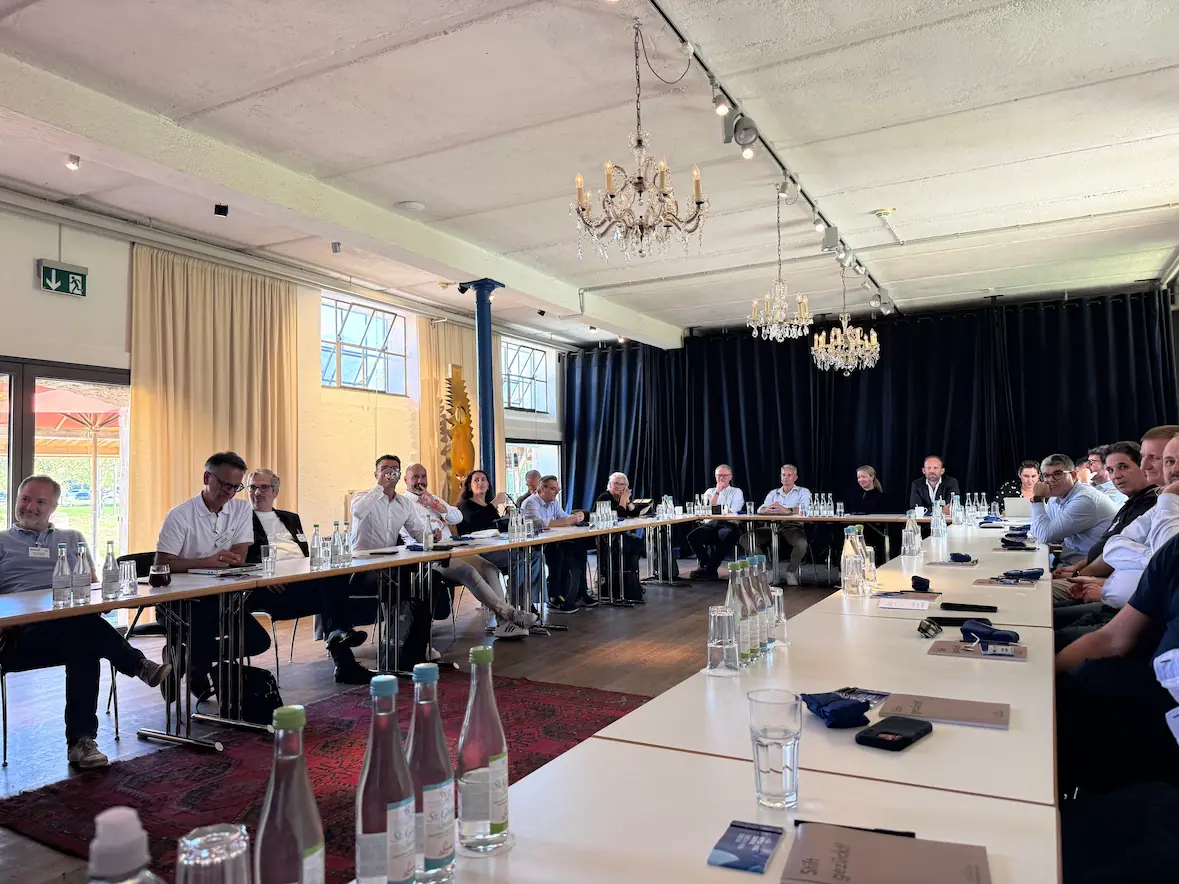
Just two weeks after IBC, nine operators from around the world came together at Gut Sonnenhaus, a beautiful Bavarian hotel nestled in the German countryside near Munich, for the first OpenTV ENTera Customer Connect Workshop. Joined by two of our strategic ecosystem partners, 3SS and Bango, we spent two days sharing perspectives, exploring new ideas and discussing some of the questions currently shaping the TV industry. The format brought together NAGRAVISION sessions, partner perspectives, live demonstrations, customer examples and hands-on masterclasses, with plenty of time for customers to compare experiences and continue the conversation informally.
That balance was important. The event was designed to create a space where operators can step away from the day-to-day, look at the bigger picture and have open conversations about what is changing, where the opportunities are, and what they need from their technology partners.
More content is not the same as better discovery
One of the clearest themes across the two days was the changing role of aggregation. There is no shortage of content today. Global streamers, local services, FAST channels, broadcaster apps and operator platforms are all competing for attention. YouTube alone now accounts for around 29% of US streaming minutes, while the number of FAST channels worldwide continues to grow.1,2
But bringing more content together is only the first step. As the number of services grows, viewers need a simpler way to navigate this landscape. Aggregation can help create a more unified experience across services, but its real value lies in what it enables next: helping viewers discover relevant content without having to jump between apps or search endlessly across different catalogues. For operators, this creates an opportunity to move beyond simply offering access to multiple services. By bringing together content from different sources and making it easier to discover, they can create more coherent, relevant experiences tailored to their audiences. Regional and cultural content, live sports and events, personalised recommendations and carefully curated bundles all offer ways to differentiate from the global platforms.
Live TV is particularly interesting in this context. Sports and major live events can bring viewers back to the big screen and create shared, lean-back moments that stand out in an increasingly on-demand world. By surfacing relevant live content alongside on-demand recommendations and other services, operators can help viewers find something worth watching more easily. Aggregation, in other words, is evolving from bringing content together to making that content easier to navigate, discover and enjoy.
The TV interface is becoming conversational
The conversations at the event naturally flowed from aggregation to discovery, and from discovery to AI. Tools such as Gemini, ChatGPT, Claude and other AI assistants are already changing how people interact with information. TV is not immune to that shift. As viewers increasingly expect to ask for what they want in natural language, the traditional grid, menu and remote-control experience need to evolve.
An interesting demonstration came from 3SS, which showed new conversational and voice capabilities on its 3Ready platform. The examples included language discovery, AI-powered recommendations and discovering content across different apps through a more conversational interface.
Sports is an obvious use case. Instead of searching through multiple services to find a particular match, a viewer could simply ask what is available and let the platform do the work. The potential goes beyond discovery, too. The same conversational layer could eventually help customers troubleshoot issues or answer service questions, making AI useful not just for engagement but also for customer service and operational efficiency.
Operators can differentiate by knowing their audiences
For operators, competing with global streaming platforms is never going to be about having the biggest catalogue. It is about understanding the relationship they already have with their customers and using that knowledge intelligently. Operators have something particularly valuable: a direct, logged-in relationship with the household. They know what services customers subscribe to, what they watch, how their behaviour changes and, in many cases, what they pay for.
The next step is turning that data into a deeper understanding of the audience. A viewer watching six hours of TV every week is different from one whose viewing has dropped from ten hours to eight, and then to six over a few weeks. The trend itself can be meaningful. AI can help identify those changes and use them to improve recommendations, personalise offers or flag potential churn. That same intelligence needs to be applied responsibly. Consent management, privacy and GDPR remain essential. Personalisation only works when customers trust the service using their data and the operator trusts the service to deliver against its business objectives.
Aggregation works better when it is personal
Bango brought another important part of the conversation into focus: bundling. Subscription fatigue is real, and customers are becoming more selective about the services they keep. Bundles can help simplify that experience, but only when they are relevant to the individual household. The opportunity for operators is to use their customer relationship to make bundles more useful, bringing together the services people want while keeping that relationship within the operator ecosystem.
This is where aggregation, personalisation and monetisation start to connect. The same understanding of a customer that helps predict churn can also help determine which offer, bundle or promotion is most relevant. Every interaction with the TV platform can potentially create value, whether through subscriptions, advertising, promotions or additional services. Home-screen placements, content rails and other parts of the TV experience can become useful commercial touchpoints when they are based on a genuine understanding of the viewer.
The best ideas come from comparing notes
Perhaps the most valuable part of Customer Connect was simply having customers in the same room.
Across the workshop, customers shared practical experiences of their TV platforms, discussed how their strategies are evolving and exchanged perspectives on the challenges they face in their respective markets. These discussions brought different viewpoints to the table, highlighting both common industry pressures and the different ways operators are responding to them. A customer panel moderated by NAGRAVISION’s Senior VP, Sebastian Kramer, provided a further opportunity to explore these themes and compare approaches to the future of TV. Those conversations were useful because every operator is dealing with many of the same pressures, but from a different market perspective.
The role of partners was equally important. Alongside 3SS and Bango, the discussions reinforced how much of the future TV experience will depend on different capabilities working together — from UX and content discovery to analytics, personalisation, AI, bundling and advertising.
The informal conversations mattered too. There was time to continue discussions over dinner, and even a visit to Oktoberfest. Those moments helped create the open exchange that Customer Connect is designed to encourage.
Customer Connect: a new strategic NAGRAVISION format
The first OpenTV ENTera Customer Connect gave us a useful opportunity to bring customers and partners together around a shared set of questions. It also reinforced something important: the future of TV will not be shaped by one technology or one company. It will come from how operators, technology providers and the wider ecosystem work together to make the experience more relevant, personal and easier to navigate.
The shift from aggregation to conversation is ultimately about making TV feel less like a catalogue and more like a service that understands what people want. And the best way to build that future is to keep talking to the people shaping it every day.